

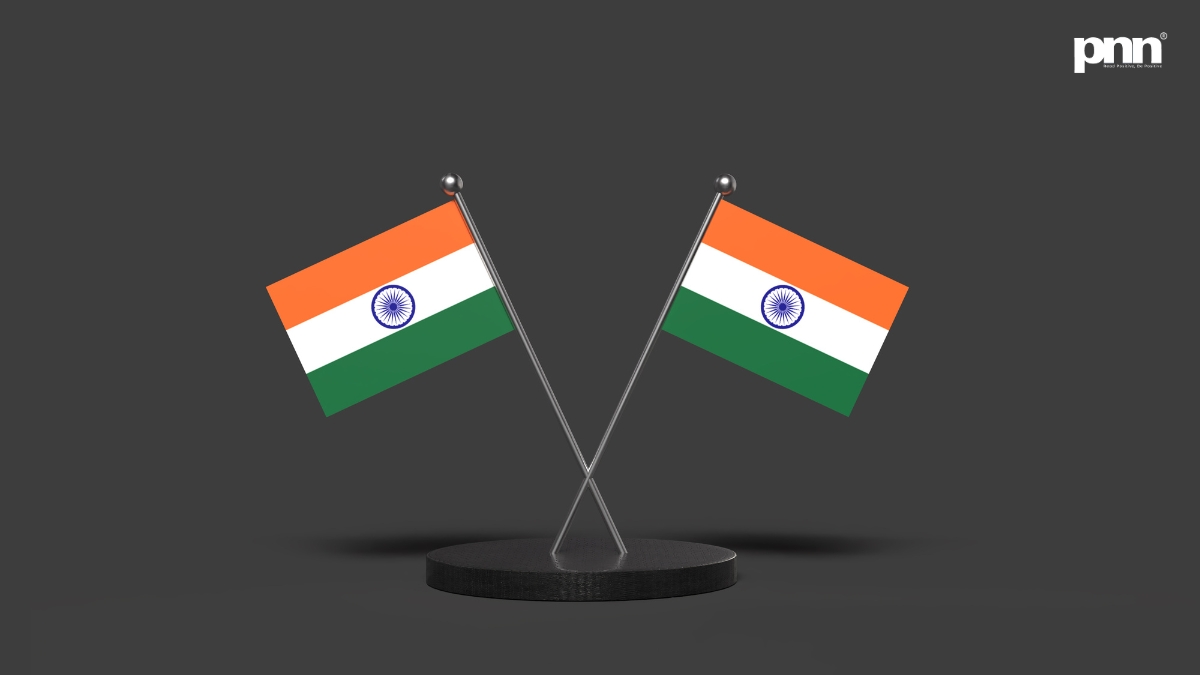

New Delhi [India], January 26: This story refused to end for years. Now it’s cornered. The India EU Free Trade Agreement is finally being treated like something real.
Start with the optics. Delhi. Republic Day afterglow. Prime Minister Narendra Modi hosting European Commission President Ursula von der Leyen and European Council President Antonio Costa. That alone sets the temperature.
But the substance matters more.
An announcement signalling the conclusion of talks on the India EU Free Trade Agreement is expected to anchor the summit. Not buried. Not vague. Front and centre. Alongside it, a strategic defence pact and a mobility framework that quietly says more than the speeches will.
Von der Leyen didn’t hedge. “A successful India makes the world more stable, prosperous and secure.” That line wasn’t crafted for poetry. It was admission.
Europe has recalculated.
The India EU Free Trade Agreement began in 2007, back when optimism came cheap. Then it stalled. By 2013, ambition gaps were blamed. Translation: nobody wanted to bend first. The file gathered dust for nearly a decade.
Then June 2022 cracked it open again.
This time, the tone shifted. Less sermonising. Fewer red lines shouted across tables. More spreadsheets. More supply chains. More uncomfortable honesty about dependence, resilience, and who can actually deliver when systems wobble.
That wobble is now permanent.
Trade numbers don’t whisper anymore. They announce themselves. The European Union is India’s largest trading partner in goods. In FY 2024–25, total goods trade hit about USD 136 billion. India exported roughly USD 76 billion. Imports landed near USD 60 billion.
That scale rewires priorities.
The India EU Free Trade Agreement is expected to change texture, not just totals.
Tariffs matter, sure. So do standards, market access, regulatory friction, and the ability to move faster without asking permission every quarter.
This is not romance. It’s plumbing.
Trade, though, is only the loudest piece.
Defence cooperation has stepped out of the shadows. A proposed Security and Defence Partnership is set to be unveiled at the summit. Officials talk about interoperability. About trust. About aligning capabilities rather than duplicating them.
There’s a sharper edge underneath.
The partnership opens doors for Indian firms to participate in the EU’s SAFE programme. SAFE. Security Action for Europe. A Euro 150 billion financial instrument designed to accelerate defence readiness.
That money isn’t theoretical. It’s already allocated. Europe wants speed. India offers scale and cost discipline. This isn’t charity. It’s mutual convenience, dressed in strategy.
Then comes the Security of Information Agreement. Dry name. Serious consequences. Without SOIA, industrial defence cooperation stays shallow. With it, joint projects become possible. Quietly. Efficiently.
No applause required.
Mobility, though, will get the headlines. A memorandum of understanding to facilitate the movement of Indian workers to Europe is expected as another summit outcome. It creates a framework. Nothing dramatic. Nothing reckless.
France, Germany, and Italy already have migration and mobility partnerships with India. This just broadens the map.
Europe has ageing populations and labour gaps it no longer hides. India has people. Skills. Ambition. The debate on that equation is over.
Beyond these pillars, the agenda sprawls deliberately. Climate change. Critical technologies. Rules-based order. Familiar phrases, yes. But the context has hardened.
Washington’s trade and security posture forced Europe to rethink old dependencies. India watched closely. Then negotiated accordingly.
India and the European Union have been strategic partners since 2004. For years, that label felt ceremonial. It doesn’t now.
Global tensions will surface at the table. The Russia-Ukraine war will be discussed. European officials have made their stance clear. President Costa is expected to call it an existential threat and a challenge to the rules-based international order, with ripple effects beyond Europe.
India’s view is stable. Strategic autonomy. Dialogue. Balance. No theatre.
They don’t agree on everything. Nobody pretends they do anymore. What they share is a core interest in stability that doesn’t collapse into dependency or drift.
The India EU Free Trade Agreement sits at the centre of that shared interest. Not as a trophy. As ballast.