
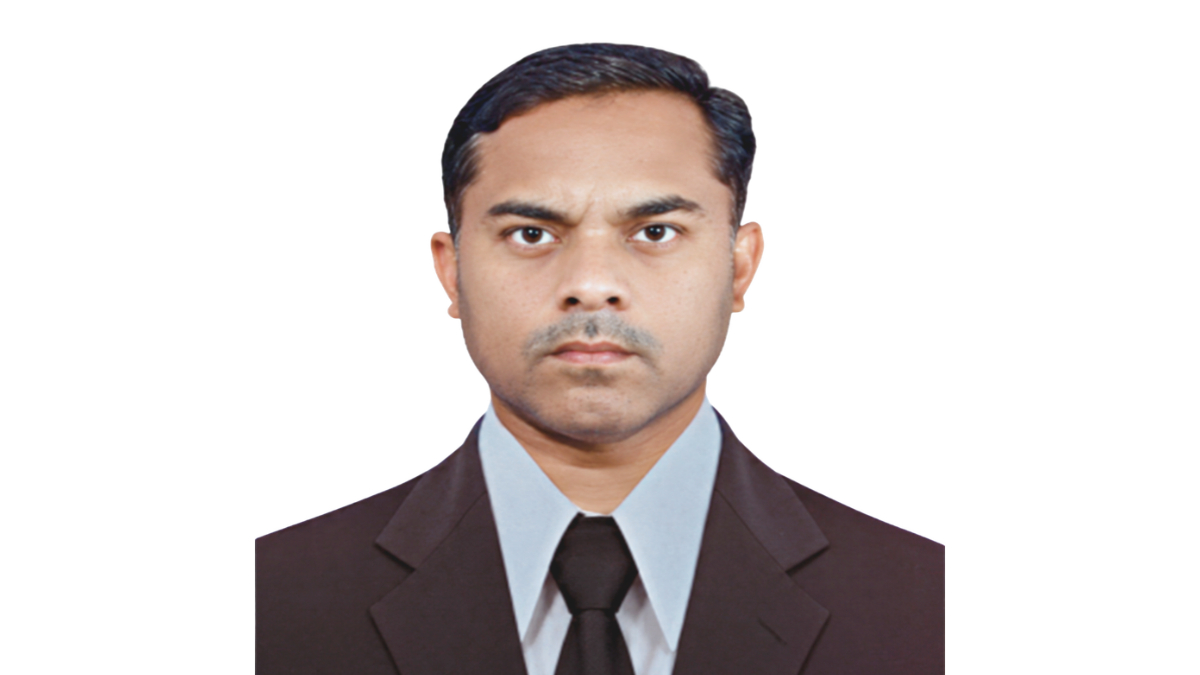
By Ramakanta Pradhan, Chairman & Whole-Time Director, Srinibas Pradhan Construction Limited
New Delhi [India], October 29: Srinibas Pradhan Constructions Limited started its business in 2001 with small civil works for town bodies in Jharsuguda district. Twenty-five years on, the company still bids mostly for work within a day’s drive of where it began. It is easy to read that as a lack of ambition. The company reads it as a map. It tells exactly where the work is.
Jharsuguda sits in the middle of Odisha’s industrial belt, and the company’s roads run through it. It has built and repaired them for a power plant, a coal mine and a long state highway across the region. One example is the 5.6 km coal dispatch road at the Jamkhani mine, which it renovated. It is not the kind of project that gets noticed. Yet if that road fails, coal stops moving, and everything that relies on it stops with it.
Eastern India works the same way. Its mines, power stations and steel plants are well known, but their value depends on the district and village roads, culverts and bridges that link them to workers, suppliers and markets. For years, this network received less attention than the plants it served. That is changing, at least in Odisha.

The numbers are clear. Odisha spends 7.5% of its budget on roads and bridges, against an average of 4.3% across 31 states, according to PRS Legislative Research. Its capital outlay FY27 is ₹ 72,100 crore, up 20% on the previous year. In July, the state cleared more than ₹ 32,000 crore over five years for rural roads and bridges, with ₹ 11,800 crore of it for the Setu Bandhan bridge programme alone.
A bridge over a seasonal river does something a highway cannot. It keeps a village connected through the monsoon. Children can reach school, crops can reach the market, and an ambulance can get to a health centre in July as easily as in January. When this happens across hundreds of villages, the effect on the local economy is real, even if it never makes a headline.
The railways add another layer. Odisha received ₹ 10,928 crore for railways in the Union Budget for FY27, with about ₹ 90,659 crore of rail projects already under way in the state. Every new line and siding needs roads to feed it. In the east, those roads are often the slowest part of the chain.
So, who builds all this? Not just the large national contractors. Most rural road and bridge packages are modest in size. In March, the subsidiary of Srinibas Pradhan Constructions Limited was declared the lowest bidder for the road from Limidihi to Machida, a ₹ 4.19 crore package. Work like this suits contractors who are close to the site, own their machines and know the local soil and rivers. Regional firms that have grown up with the state’s Works Department are well placed to do it, as long as they keep raising their standards.
Those standards are also how a firm earns bigger work. In FY26, the company was upgraded to Class A with the Works Department, and its subsidiary to Special Class. Earlier, much of its work came through larger companies serving public sector clients. Today, about a third of its revenue comes directly from government and PSU clients, up from under a tenth a year ago. Nobody gave it that. It came from completing work, getting it certified and bidding again.
If governments in the east release payments faster, and if contractors match bigger budgets with better quality, the district road will do more for growth here than any single large project. The company’s first jobs were small works for a town body. The roads it builds now are still small next to an expressway. But they are where most people in this part of India begin and end their day.


